
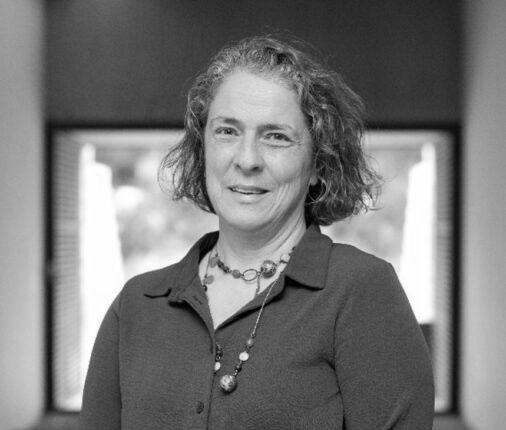
Cláudia Nunes dos Santos
Vice-director for Research and PI


Dr. Cláudia Nunes dos Santos is Principal Investigator and Vice-Director for Research at NIMSB. Her research is focused on understanding the role of polyphenols in providing the health benefits associated with consuming bioactive-rich plant foods and understanding the mechanistic basis of these beneficial changes. She is particularly interested in the ability of polyphenols metabolites to reach the brain and prevent or reverse the main hallmarks of neurodegenerative diseases. She received her PhD at University of Lisbon in Plant Biochemistry and conducted her postdoctoral studies at Institute of Technology and Chemistry Biology, Portugal. She then worked as a Research Group Leader of the Molecular Nutrition and Health Lab at ITQB NOVA, before joining NOVA Medical School in Lisbon. She was awarded in 2018 with an ERC starting grant for zooming the link between diet and brain health focused in how phenolic metabolites modulate brain inflammation. Recently she was awarded with an ERC Proof-of-concept focused on a novel small molecule “NeuroShield” for tackling Parkinson’s Disease. She was also involved in a series of EU projects as a group leader and work-package leader (FP7-EUBerry; FP7-BacHBerry; Horizon2020-CHIC) and have attracted funding from Portuguese National Agency. She has published over 100 papers in peer-reviewed journals (H-Index of 35, Web of Science).
Nunes dos Santos Lab
Molecular Nutrition and Health
Nunes dos Santos Lab about
Cláudia Nunes dos Santos
Vice-director for Research and PI
Molecular Nutrition and Health
Our goal is to understand the mechanisms of cellular processes related to nutrition at a molecular level, in the context of chronic diseases associated with lifestyle.
We have a particular interest in studying the metabolism of polyphenols in humans and animal models using metabolomic approaches, including bioaccessibility, bioavailability, brain permeability, and cellular metabolism, as well as the bioactivity of polyphenol metabolites in models of neurodegenerative diseases. Our focus is on Parkinson’s disease, neurodegeneration, neuroinflammation, and the permeability of the blood-brain barrier.
We conduct mechanistic studies using disease-relevant models, such as yeast models, cellular models, and animal models, combined with state-of-the-art cellular and molecular approaches to uncover the molecular mechanisms of cytoprotection mediated by polyphenol-derived metabolites.
Nunes dos Santos Lab team
Meet Our Team

Inês Figueira
Senior Researcher

Inês Figueira is a postdoctoral researcher working at Universidade Nova de Lisboa. Inês holds a PhD in Biochemistry with a specialization in Neurosciences, from ITQB-UNL in 2017. With an MSc in Molecular Biology and Genetics (2011) and a BSc in Biochemistry (2009) from FCUL, Inês focuses her research on understanding the cellular & molecular mechanisms that trigger brain diseases, aiming to prevent their progression and focusing on blood-brain barrier (BBB) dysfunction as a central hallmark. Inês seeks to develop improved cell models of the neurovascular unit (e.g., complex co-culture systems and organ-on-chip) to disclose the potential of small molecules towards neurodegeneration, systemic and (neuro)inflammation, BBB impairment, and Parkinson’s disease. Inês published over 31 international peer-reviewed papers, 7 as the first author (h-index 16). So far, she has 8 awards, one FCT CEEC (BOOST_PD – 2022.00151.CEECIND) and two Exploratory FCT Projects (PERCEPT – 2022.02127.PTDC; NEXUS – 2023.12203.PEX).

Diogo Carregosa
Junior Researcher

Diogo Carregosa’s main research interest focusses on the study of microglia cells and neuroinflammation, the mechanisms of neuroinflammation, and novel approaches to modulate microglia, especially in the context of Parkinson’s Disease. Diogo Carregosa concluded his PhD in Biomedicine in 2025, following a MSc in Biochemistry for Health in 2018 and a BSc in Biochemistry in 2016. Diogo has been working with microglia cells since his MSc being responsible for the synthesis and characterization of small phenolics and in vitro testing in microglia cells, measuring several soluble inflammatory markers and diving to its mechanisms of action through microscopy, western blot, ELISA, and flow cytometry. During his PhD Diogo worked on animal research and animal models of inflammation, evaluating changes to animal behaviour, and markers of systemic and brain inflammation by microscopy, flow cytometry and through genomic, proteomic and metabolomic approaches. Diogo Carregosa has more than 10 publications, 3 book chapters, and participated in several international conferences. Diogo has participated in two COST Actions related to neurodegenerative diseases and Parkinson’s Disease, receiving grants for scientific missions to the University of Antwerp (Belgium) and University of Parma (Italy). He has mentored several students along the years and has a patent application for the use of small phenolics to address neuroinflammation in neurodegenerative diseases.
At NIMSB, Diogo is Post-Doc Junior Researcher working on the ERC-PoC project NEUROSHIELD, deciphering the role of a novel small molecule for the attenuation of neuroinflammation in Parkinson’s Disease, mainly working with animal models of PD.

Jorge Silva
Junior Researcher
Jorge has his PhD in Pharmaceutical Sciences from the Faculty of Pharmacy of the University of Coimbra, where he assessed the cardioprotective effect of a natural compound in pulmonary arterial hypertension. Over the years, Jorge has been interested in assessing the therapeutic potential of natural compounds, firstly on fungal infections and lately on cardiovascular diseases, senescence and ageing. His work has been recognized by peers with papers published in highly reputable journals such as Phytomedicine and Pharmacological Research. Jorge is also eager to help disseminate his knowledge to others, particularly for lay audiences, with several participations in science outreach activities.

Ana Rita Garcia
PhD Fellow

Ana Rita Garcia is a fellowship researcher at the NOVA Institute for Medical Systems Biology (NIMSB), in Lisbon, Portugal, and is currently completing her PhD in Pharmacy, with a specialisation in Cellular and Molecular Biology. She holds an MSc in Molecular Biology and Genetics (2020) and a BSc in Biochemistry (2016) from the Faculty of Sciences of the University of Lisbon.
Her research has focused on Neuro-Oncology and Bio-oncology, with particular interest in the cellular and molecular mechanisms underlying the development of breast cancer brain metastases and blood–brain barrier dysfunction. Ana Rita has extensive experience with advanced cellular (2D and 3D) and animal models, as well as a broad range of techniques, including live-cell imaging, confocal microscopy, immunohistochemistry, flow cytometry, qPCR, and organ-on-chip microfabrication.
She has authored 10 international peer-reviewed publications, including three as first author, and has presented her work in 45 scientific communications at national and international conferences.

Daniela Marques
PhD Fellow
Daniela Marques is a PhD researcher at Universidade Nova de Lisboa, focusing on how physiological relevant microbiota-derived dietary (poly)phenol metabolites influence brain health by the modulation of neuroinflammation status of the brain, in the blood-brain barrier. She is also interested to identify candidate compounds that may be a new strategy to delay and/or postpone the development of neurodegenerative diseases. With a Master’s degree in Experimental Pathology and a Bachelor’s degree in Human Biology, she has established herself in the fields of neuroscience and nutrition. Daniela has co-authored nine published articles and contributed to numerous scientific events through poster and oral communications. She actively participates in research projects such as LIMBo and NEXUS. Beyond research, she has served on PhD committees, organized academic events, and volunteered on task forces. Daniela’s work extends to mentoring undergraduate research projects and disseminating scientific knowledge through webinars and open classes, showcasing her comprehensive engagement in the academic and scientific community.

Catarina Pinto
PhD Fellow
Catarina Pinto completed her Integrated Master’s degree in Biological Engineering at Instituto Superior Técnico in 2012 and subsequently joined Isabel Gordo’s Evolutionary Biology Lab at the Gulbenkian Institute of Science (IGC) as a research fellow. There, she studied antibiotic resistance and bacterial growth dynamics, gaining expertise in microbiology, genetic engineering, molecular biology, functional genomics, and in vivo experimentation.
In 2016, she joined Karina Xavier’s Bacterial Signalling Lab at IGC, where she studied gut microbiota and metabolic profiles. In 2017, she moved to Sara Magalhães’ Lab at FCUL as Laboratory Manager, contributing to the development and standardisation of spider mite colony management protocols and supporting the lab’s research activities.
Since 2019, Catarina has been part of Cláudia Nunes dos Santos’ Lab, initially as Laboratory Manager before transitioning to full-time research in 2021. In 2023, she began her PhD in Health Sciences at NMS-NOVA, focusing on the impact of (poly)phenol metabolites on the intestinal microbiome and inflammation.

Carlos Pita
PhD Fellow
Carlos Pita is a PhD student at NOVA Medical School, currently conducting his research at NIMSB. His work investigates how berry-derived (poly)phenols influence the gut-brain axis in Parkinson’s disease. Using the MPTP mouse model, he studies whether a berry-enriched diet can modulate gut microbiota composition, microbial metabolism, neuroinflammation, and motor outcomes. He combines microbiome analysis, metabolomics, proteomics, molecular biology, and behavioral assessment to identify diet-derived mechanisms potentially involved in neuroprotection. His research particularly explores host-microbiota interactions and the role of low-molecular-weight (poly)phenol metabolites in inflammation-driven neurodegeneration. Carlos holds an MSc in Biomedical Research from the Faculty of Medicine of the University of Coimbra.
Alongside his research, he is dedicated to science communication, using illustration, scientific figures, presentations, and digital media to communicate complex biomedical concepts clearly to researchers, students and the wider public

Inês Silva
PhD Fellow
Inês Pires da Silva is a PhD student in Health Sciences at NOVA Medical School and a researcher in the Molecular Nutrition and Health Lab at the NOVA Institute for Medical Systems Biology (NIMSB). She holds a BSc in Biology and an MSc in Biopharmaceutical Sciences from the University of Lisbon.
At NIMSB, her work focuses on developing human-relevant microphysiological systems, organ-on-chip platforms and 3D brain spheroids to model key features of the human neurovascular unit in Parkinson’s disease. She investigates how dietary polyphenol metabolites may modulate neuronal impairment, neuroinflammation and blood–brain barrier-related mechanisms. Inês has authored six published articles, is preparing two first-author peer-reviewed publications, and has presented her work in more than 25 scientific communications, including oral and poster presentations, in national and international conferences. She is also involved in outreach activities, open class and the organisation of academic events.

Diogo Louro
PhD Fellow
Diogo Louro is a PhD student in Molecular Biosciences at ITQB NOVA in Lisbon. He completed his BSc in Biochemistry in 2022 at NOVA FCT and his MSc in NOVA Biomedical Research at NOVA Medical School in 2024. His research focuses on understanding the potential of small molecules, including dietary compounds and microbiota-derived metabolites, to modulate neuroinflammation—a key hallmark of neurodegenerative diseases such as Parkinson’s and Alzheimer’s. By exploring the mechanisms through which these molecules influence neuroinflammatory pathways, he aims to contribute to the development of novel therapeutic strategies that could mitigate disease progression and improve patient outcomes.

Inês Paiva
Shared PhD Fellow

Inês Paiva is a PhD student in Sustainable Chemistry in the laboratory of Dr. Rita Ventura at ITQB NOVA – Instituto de Tecnologia Química e Biológica António Xavier and at NIMBS – NOVA Institute for Medical Systems. She holds a BSc in Biochemistry from NOVA School of Science and Technology (2018) and an MSc in Biochemistry for Health from NOVA Medical School (2021), where she studied the neurotrophic effects of carbon monoxide in microglia-neuron communication. Her current research focuses on the development of novel neuroprotective strategies targeting neuroinflammation, a central feature of neurodegenerative diseases such as Parkinson’s and Alzheimer’s. Specifically, she investigates the biological activity of (poly)phenol metabolites. Her project involves the synthesis of new analogues of the most active compounds for structure–activity relationship (SAR) studies, as well as the development of 13C-labelled (poly)phenols and fluorescent poly(phenol) probes to uncover their intracellular fate and mechanisms of action. These studies aim to guide the rational design of (poly)phenolic compounds with improved neuroprotective properties.

Liza Hilman
PhD Fellow
Liza Hilman is a Registered Nutritionist and a PhD student at Nova Medical School, Universidade NOVA de Lisboa. She holds an MSc in Clinical Nutrition from Roehampton University in London.
Her PhD research focuses on the development, validation, and application of a food frequency questionnaire with a specific emphasis on polyphenol intake in the Portuguese population.
Previously, she worked as Head of Nutrition at a biotech company in London, where she developed and managed educational content, presented at conferences, supported the R&D department, and led the development of a nutrition consulting division. She was also involved in B2C and B2B initiatives, as well as marketing strategies.
Liza began her nutrition career with the NHS Diabetes Prevention Programme, delivering lectures on nutrition, physical activity, and healthy lifestyle, and conducting nutrition and health assessments.
She is the author of a popular science book on nutrition and the creator and speaker of several online nutrition courses and podcasts.

Marco Zadra
PhD Fellow
Marco Faria Zadra is a dedicated researcher with a strong foundation in life sciences and biomedical research. He earned a Bachelor’s degree in Life Sciences with a specialization in Biomedical Research from HAN University of Applied Sciences in the Netherlands. During his studies, he completed two significant internships at the DZNE in Bonn, Germany, under the guidance of Daniele Bano, with the final internship serving as his thesis project. Currently, he is in the final year of a Master’s program in Biomedical Research at NOVA Medical School in Lisbon, where he is conducting his thesis research in the Molecular Health and Nutrition Lab led by Claudia Nunes dos Santos. With dual Italian and Portuguese nationalities, he also holds a European Baccalaureate from Brussels, reflecting a diverse and international educational background.

Daniela Parente
MSc Fellow
Daniela Parente holds a Bachelor’s degree in Biochemistry from Nova School of Science and Technology and is currently completing a Master’s degree in Biomedical Research at Nova Medical School. During her academic training, she has developed a strong interest in biomedical research, particularly in topics related to neurobiology and neurodegeneration. Along the way, she has shared her findings at national and international scientific meetings, including poster and oral communications, further strengthening her experience in academic dissemination.
At NIMSB, Daniela is carrying out her master’s thesis in the Molecular Nutrition and Health Lab. Her research focuses on developing a human-relevant neurovascular unit in vitro model to investigate the neuroprotective potential of bioavailable (poly)phenol metabolites in Parkinson’s disease, contributing to the development of innovative human-based models for neurodegenerative disease research. Her current activities include experimental work, data analysis, and scientific discussion within a collaborative research environment.

Alexandre Mendes
MSc Fellow
Alexandre Mendes is currently in the second year of the Master’s degree in Biochemistry for Health at NOVA School of Science and Technology (FCT NOVA). In 2024, he completed a Bachelor’s degree in Biochemistry at the Faculty of Sciences of the University of Porto.
During the final year of his undergraduate studies, he undertook an internship at a research laboratory at ICBAS, where his work focused on the role of microRNAs in the diagnosis and prognosis of psoriasis. Throughout his academic journey, Alexandre has been actively involved in mentoring fellow students and participating in extracurricular initiatives, including the student association of his faculty and the biochemistry student nucleus.
Nunes dos Santos Lab Selected Publications
-
Diogo Carregosa; Natasa Loncarevic-Vasiljkovic; Raquel Feliciano; Diogo Moura-Louro; César S. Mendes; Claudia Nunes dos Santos. “Locomotor and gait changes in the LPS model of neuroinflammation are correlated with inflammatory cytokines in blood and brain“. Journal of Inflammation (United Kingdom) (2024) (doi:10.1186/s12950-024-00412-y)
-
Daniela Marques; Diogo Moura-Louro; Inês P. Silva; Sara Matos; Cláudia Nunes dos Santos; Inês Figueira. “Unlocking the potential of low-molecular-weight (Poly)phenol metabolites: Protectors at the blood-brain barrier frontier“. Neurochemistry International (2024) (doi: 10.1016/j.neuint.2024.105836)
-
Rafael Carecho; Daniela Marques; Diogo Carregosa; Domenico Masuero; Mar Garcia-Aloy; Federica Tramer; Sabina Passamonti; et al. “Circulating low-molecular-weight (poly)phenol metabolites in the brain“. Food and Function (2024) (doi: 10.1039/d4fo01396d)
-
Catarina J.G. Pinto; María Ángeles Ávila-Gálvez; Yilong Lian; Pedro Moura-Alves; Cláudia Nunes dos Santos. “Targeting the aryl hydrocarbon receptor by gut phenolic metabolites: A strategy towards gut inflammation“. Redox Biology (2023) (doi: 10.1016/j.redox.2023.102622)
-
Rita Rosado-Ramos; Gonçalo Manuel Poças; Daniela Marques; Alexandre Foito; David M Sevillano; Mafalda Lopes-da-Silva; Luis G Goncalves; et al. “Genipin prevents alpha-synuclein aggregation and toxicity by affecting endocytosis, metabolism and lipid storage“. Nature Communications (2023) (doi: 10.1038/s41467-023-37561-2)